regenerative architecture
Bringing Sahelian architectural heritage into regenerative design training
Kabakoo’s regenerative architecture training brings heritage into the curriculum, alongside works shared by Mamadou Koné from his career surveying and rehabilitating sites in Timbuktu, Djenné and Dogon Country.
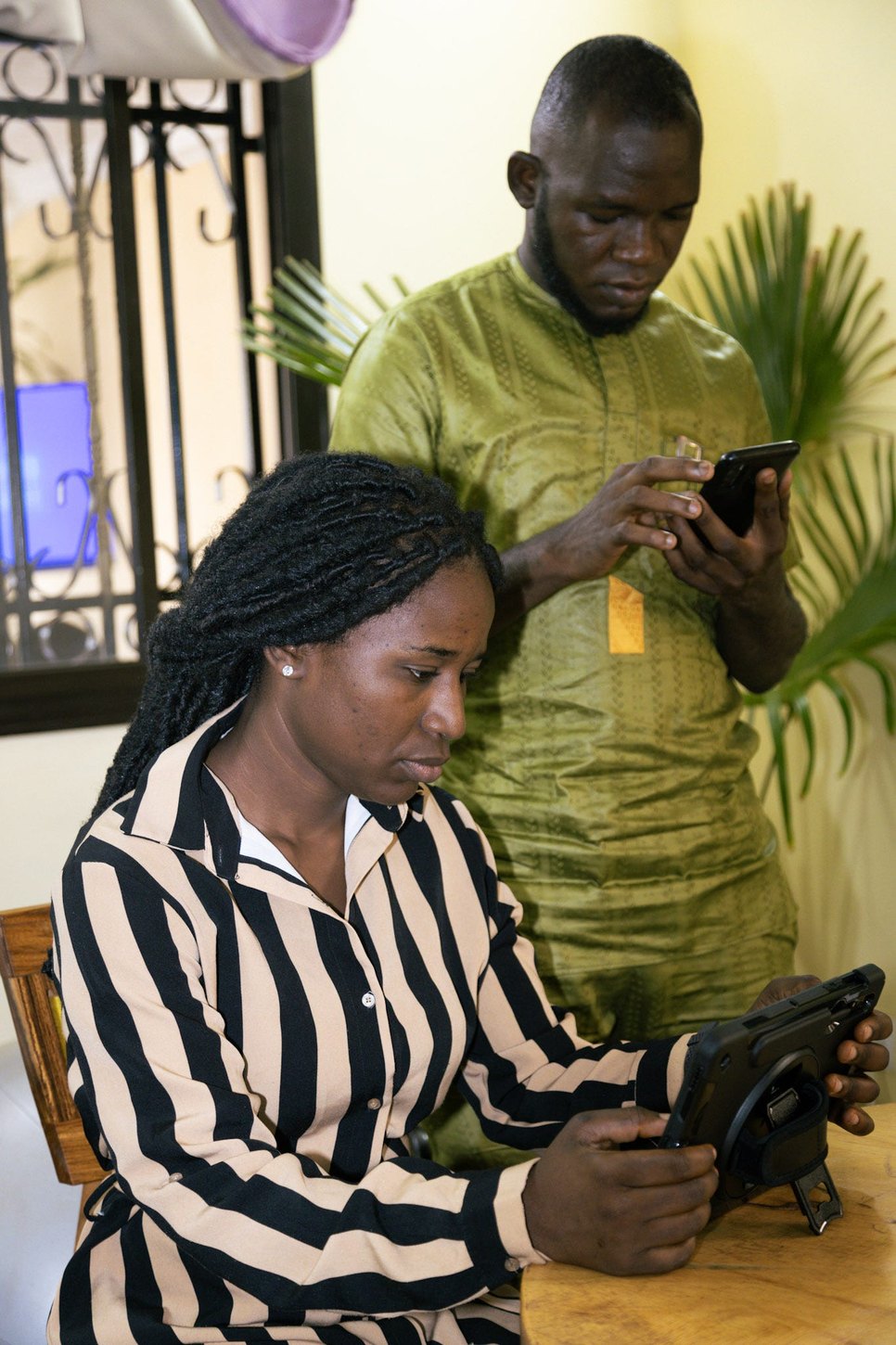
In August 2023, Kabakoo brought local materials, architectural cultures and heritage into its six-month regenerative architecture training program. Architect Mamadou Koné also shared works from his career surveying and rehabilitating heritage sites—knowledge about the Sahel’s architectural and urban cultures alongside a curriculum for regenerative design.
1. Architectural survey and rehabilitation works
Mamadou Koné, the training’s architect “godfather”, shared works from projects in Timbuktu, Djenné and Dogon Country. These works contain knowledge about local architectural and urban cultures in the Sahel. His contribution brought material from a career of surveying and rehabilitating heritage sites into the training context, with records spanning these different places.
2. Heritage within a broader design curriculum
The final curriculum includes seven modules. Local materials and architectural cultures, and learning from heritage, sit alongside collaborative tools, regenerative architecture workshops, the city of tomorrow, regenerative design and storytelling, and regenerative urban agriculture. Heritage is therefore part of a program that also addresses design, urban futures and agriculture, rather than the curriculum’s only subject.
3. A shared setting for building professions
For the first introductory workshop on August 31, 20 learners were invited from backgrounds including architecture, building engineering, masonry, site management, site supervision, heritage and development studies. During the workshop, learners met mentors Mamadou Koné, Lassana Cissé and Ousmane Diakité and became familiar with Kabakoo’s co-learning space. The six-month program was organized to support knowledge exchange and socio-professional networks for regenerative architecture in Sahelian cities.
4. Re-learning local models for contemporary cities
In a masterclass, urban planner William Ahokpe presented research on endogenous urban and village forms in secondary medium-sized towns of West Africa. His message was to return to models grounded in local intelligence and territorial management, conditional on re-learning endangered knowledge and adapting it to 21st-century realities. The Highdigenous approach resonated during the session for its potential to imagine territorially rooted cities combining ancestral intelligence with contemporary technology.
Explore more Kabakoo news and project updates.